
Ancient Preservation Meets Modern Microbiome Science
Long before refrigerators hummed in our kitchens, before grocery stores lined every corner, and before we could access fresh produce year-round, humans faced a fundamental challenge: how do you make food last?
Our ancestors discovered something remarkable. When certain foods were left in specific conditions – submerged in brine, packed with salt, or simply stored in cool, dark places – they didn't spoil. Instead, they transformed. Cabbage became tangy sauerkraut. Milk turned into yogurt. Grapes became wine. Sweet tea evolved into kombucha.
This wasn't just preservation – it was alchemy. And while our ancestors didn't understand the microscopic forces at work, they recognized that these transformed foods were not only safe to eat months after harvest, but often tasted better and seemed to support health in ways fresh foods didn't.
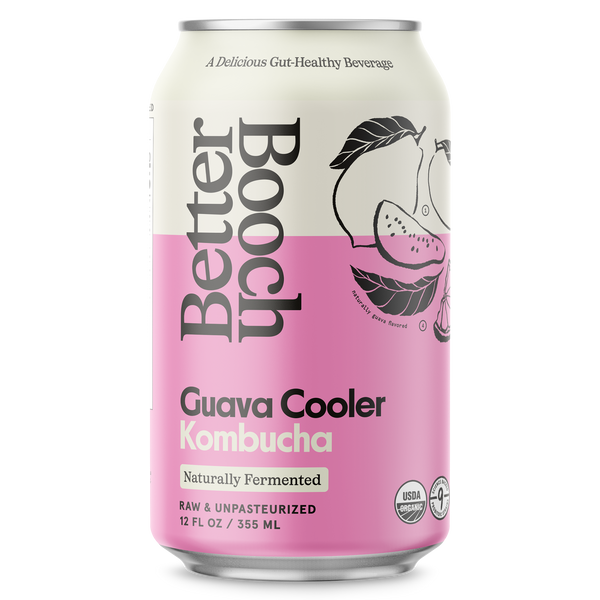
Today, we understand what our ancestors knew intuitively: fermentation is one of nature's most powerful processes for creating nutrient-dense, gut-healthy foods. At Better Booch, we honor this ancient tradition while applying modern understanding to create kombucha that delivers all the benefits fermentation has to offer.
Let's explore what fermentation actually is, how it works, and why it matters more than ever for our modern health.
Fermentation: Nature's Original Food Preservation
Before we dive into the science, it's worth appreciating why fermentation developed in the first place.
THE HARVEST PROBLEM
Imagine you're a farmer in the pre-industrial world. Summer and fall bring abundant harvests – more vegetables, fruits, and grains than you could possibly consume fresh. But winter is coming, and with it, scarcity. How do you preserve this bounty so your family can eat through the cold months?
Fermentation was the answer. And it stood out because it didn't just preserve food – it actually enhanced it. Fermented foods often had:
- Longer shelf life than fresh versions
- More complex, interesting flavors
- Better digestibility
- Enhanced nutritional value
- Noticeable health benefits
Cultures around the world developed their own fermented foods based on what grew locally: sauerkraut in Europe, kimchi in Asia, yogurt in the Middle East, kombucha across various regions. Each culture's fermented foods reflected both necessity and eventually, preference – people kept fermenting because they genuinely enjoyed the results.
The Science of Fermentation: What's Really Happening?
So what exactly is fermentation? Let's break down the science in terms anyone can understand.
THE SIMPLE DEFINITION
Fermentation is the process by which microorganisms (bacteria, yeast, or fungi) convert carbohydrates (like sugars and starches) into other compounds – typically acids, gases, or alcohol.
That might sound technical, but think of it this way: fermentation is what happens when beneficial microorganisms "eat" the sugars in food and transform them into something new.
THE PLAYERS: MEET YOUR FERMENTATION FRIENDS
Different types of fermentation involve different microorganisms:
Lactic Acid Fermentation (LAB Fermentation):
- Main workers: Lactic acid bacteria (like Lactobacillus)
- What they do: Convert sugars into lactic acid
- Creates: Sauerkraut, kimchi, yogurt, kefir, pickles
- Result: Tangy, sour flavors and preserved foods
Alcoholic Fermentation:
- Main workers: Yeast (like Saccharomyces)
- What they do: Convert sugars into alcohol and carbon dioxide
- Creates: Wine, beer, bread (the CO2 makes it rise)
- Result: Alcohol content and carbonation
Acetic Acid Fermentation:
- Main workers: Acetic acid bacteria (like Acetobacter)
- What they do: Convert alcohol into acetic acid (vinegar)
- Creates: Vinegar, kombucha (along with other processes)
- Result: Sharp, acidic flavors
Kombucha's Unique Fermentation:
Kombucha is special because it involves both alcoholic and acetic acid fermentation happening together, creating a complex community of bacteria and yeast working in harmony.
THE PROCESS: WHAT ACTUALLY HAPPENS
Let's use kombucha fermentation as our example since that's what we know best at Better Booch.
Stage 1: The Setup We start with sweet tea – black or green tea with organic cane sugar dissolved in it. This provides the "food" for our fermentation.
Stage 2: Introducing the Culture We add starter tea from a previous batch, which contains living bacteria and yeast – our SCOBY (Symbiotic Culture of Bacteria and Yeast). These microorganisms are ready to get to work.
Stage 3: The Yeast Goes First The yeast in our culture begins consuming the sugar, producing:
- Ethanol (alcohol)
- Carbon dioxide (which creates natural carbonation)
- Various flavor compounds
Stage 4: The Bacteria Take Over As the yeast creates alcohol, the bacteria get to work, converting much of that alcohol into:
- Acetic acid (the primary acid that gives kombucha its tang)
- Gluconic acid (another beneficial organic acid)
- Various B vitamins
- Beneficial enzymes
Stage 5: The Transformation Over 7-14 days (or longer), the sweet tea gradually transforms:
- Sugar content decreases significantly
- pH drops (becomes more acidic)
- Flavor develops complexity
- Living beneficial microorganisms populate the liquid
- Organic acids accumulate
- Nutrients become more bioavailable
The Final Product: What started as sweet tea is now a tangy, slightly effervescent, probiotic-rich beverage with completely different properties than what we started with.
WHY FERMENTATION PRESERVES FOOD
Understanding the science helps explain why fermentation works as preservation:
pH Drops: As beneficial bacteria produce lactic or acetic acid, the pH of the food drops (becomes more acidic). Most harmful bacteria can't survive in acidic environments, but beneficial fermentation bacteria thrive there.
Beneficial Bacteria Dominate: The "good" bacteria reproduce quickly and dominate the environment, outcompeting any potentially harmful organisms for resources.
Antimicrobial Compounds: Many fermentation bacteria produce natural antimicrobial compounds that actively inhibit harmful organisms.
Reduced Available Sugars: As fermentation progresses, the sugars that harmful organisms need to survive are consumed by beneficial microbes.
What We Know Today: Fermentation and the Microbiome
Our ancestors used fermentation for preservation and recognized that fermented foods seemed to support health. Today, modern science reveals why they were right – and it's even more profound than they could have imagined.
THE MICROBIOME CONNECTION
Your gut microbiome – that community of trillions of microorganisms living in your digestive tract – plays a crucial role in virtually every aspect of your health. Research now shows that:
Diversity is key: A diverse gut microbiome (many different species of beneficial bacteria) is associated with better health outcomes across the board – from digestion to immunity to mental health.
Fermented foods increase diversity: Recent research has demonstrated that diets rich in fermented foods significantly increase microbiome diversity. In fact, fermented foods appear to be one of the most effective dietary interventions for improving microbiome health.
Living cultures matter: While fiber feeds your existing gut bacteria, fermented foods containing live cultures actually introduce new beneficial organisms. This combination of introduction and feeding creates optimal conditions for microbiome health.
WHAT FERMENTATION CREATES THAT OUR BODIES NEED
Modern research has revealed that the fermentation process creates numerous compounds that support health:
Living Probiotics: The beneficial bacteria and yeast that survive in fermented foods can temporarily join your gut community, contributing to diversity and supporting the function of your resident bacteria.
Organic Acids: The acids produced during fermentation (like acetic and lactic acid) support a healthy gut pH and create an environment where beneficial bacteria thrive.
Enhanced Bioavailability: Fermentation breaks down compounds in food, making nutrients more accessible to your body. Vitamins and minerals in fermented foods are often easier to absorb than in their unfermented forms.
B Vitamins: Many fermentation processes actually produce B vitamins, including B12 in some cases – nutrients that are essential for energy production and nervous system function.
Enzymes: Fermentation produces enzymes that can support your own digestive processes, making fermented foods easier to digest than their fresh counterparts.
Short-Chain Fatty Acids: When your gut bacteria ferment the compounds in fermented foods, they produce short-chain fatty acids that support gut lining health and reduce inflammation.
THE BETTER BOOCH APPROACH TO FERMENTATION
At Better Booch, we take fermentation seriously. We don't shortcut the process or add acids to mimic fermentation. We honor the traditional method:
Authentic Fermentation: We allow adequate time for true fermentation to occur, creating complex flavors and beneficial compounds naturally.
Quality Ingredients: We start with organic teas, herbs, and botanicals – the foundation affects everything that comes after.
Living Cultures: Our kombucha is never pasteurized, preserving the beneficial bacteria and yeast that make fermentation so valuable.
Proprietary Enhancement: We've partnered with scientists to add 9 additional well-researched probiotic strains to complement our natural fermentation, maximizing the diversity you receive.
Small-Batch Care: We monitor each batch, ensuring optimal fermentation conditions and consistent quality.
WHY FERMENTED FOODS MATTER MORE THAN EVER
In our modern world, our microbiomes face challenges our ancestors never encountered:
- Antibiotics (life-saving but microbiome-disrupting)
- Highly processed foods (lacking the diversity our microbiomes need)
- Sanitized environments (less exposure to diverse microbes)
- Chronic stress (which affects gut bacteria)
- Less diverse diets (fewer different foods than traditional diets)
Fermented foods offer a way to counter these challenges by:
- Introducing diverse beneficial microorganisms
- Providing the organic acids and compounds that support gut health
- Offering nutrient-dense options that our microbiomes can work with
- Connecting us to traditional food wisdom in our modern context
The Full Circle: From Preservation to Health
What's remarkable about fermentation is how it represents a perfect circle of wisdom:
Our ancestors discovered it: As a practical solution to food preservation and scarcity
They recognized its benefits: Noticing that fermented foods supported health in observable ways
We forgot its importance: As refrigeration and processed foods made fermentation seem unnecessary
Science rediscovered it: Modern research revealing the profound connection between fermented foods and microbiome health
We're reclaiming it: Recognizing that this ancient process is more relevant than ever for modern health
At Better Booch, we're proud to be part of this reclamation. Every can of kombucha we produce honors thousands of years of fermentation tradition while applying modern understanding to create the most beneficial product possible.
Bringing Fermentation Into Your Life
Understanding what fermentation is – a living process that transforms food while creating beneficial compounds and microorganisms – helps explain why fermented foods are so valuable.
You don't need to become a fermentation expert or make everything from scratch. Simply including fermented foods regularly in your diet can make a meaningful difference:
Daily fermented foods could include:
- Better Booch kombucha with lunch or as an afternoon ritual
- Yogurt or kefir with breakfast
- Sauerkraut or kimchi on your dinner plate
- Miso in soups or dressings
- Tempeh as a protein source
The goal is consistency: Research suggests that regular consumption of fermented foods (daily or most days) provides the most benefit for microbiome diversity.
The Bottom Line
Fermentation is nature's way of transforming simple ingredients into complex, living foods that support our health. What began as a preservation method has revealed itself to be one of the most powerful ways to support the diverse gut microbiome that modern science recognizes as central to overall wellness.
When you choose authentically fermented foods like Better Booch, you're not just drinking a beverage – you're participating in an ancient tradition that's more relevant than ever. You're introducing diverse beneficial microorganisms to your gut, providing organic acids that support a healthy gut environment, and giving your body the living cultures that can help build and maintain the microbiome diversity that underpins your health.
That's the power of fermentation. That's why we do what we do. And that's why every can of Better Booch represents thousands of years of wisdom combined with modern understanding – all in service of your health.
Ready to experience the benefits of authentic fermentation? Explore our range of traditionally fermented kombucha 🫧